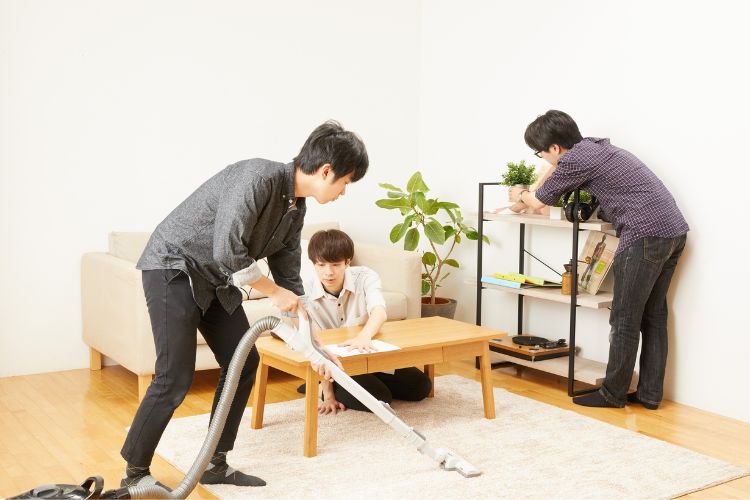

Independent living for seniors means providing older adults with the freedom to live independently while receiving the support they need. In Australia, many seniors desire to remain active, social, and comfortable in their own homes.
Independent living enables them to maintain their daily routines, feel confident, and spend quality time with friends and family. Trusted services, such as home care support, personal care, transportation assistance, and life skills training, make it easier for seniors to stay safe and independent.
This way, they can enjoy their freedom, stay connected to their community, and live a whole, happy life without losing control over their day-to-day choices.
What Does Independent Living for Seniors Mean?
Independent living for seniors means that older adults can manage their daily lives independently while having access to help when needed. It focuses on keeping freedom, choice, and comfort in daily routines. Seniors can live safely, stay social, and enjoy activities without sacrificing control over their lifestyle. This approach is not about doing everything alone. Instead, it combines personal independence with professional support where needed.
Difference Between Independent Living and Assisted Living
Independent living is suitable for seniors who can manage most daily tasks but may occasionally require assistance. Assisted living, on the other hand, provides more hands-on care, including assistance with bathing, medication management, and meal preparation. Independent living provides seniors with privacy and control, while assisted living offers more direct support.
Who Can Benefit from Independent Living
Seniors who are healthy enough to handle basic daily activities can benefit the most. It is ideal for older adults who want to maintain dignity, stay active, and continue social connections. Even if they require occasional assistance, services such as home care support, personal care, transportation, or skill development programs can help maintain their independence.
Emotional Value of Independent Living
Independent living encompasses not only physical aspects, but also impacts emotional well-being. Seniors feel more confident, respected, and capable. They can follow routines, pursue hobbies, and stay connected to friends and family. Being independent helps seniors enjoy life to the fullest while maintaining their safety.
Benefits of Independent Living for Seniors
Living independently offers numerous benefits for older adults. It allows seniors to maintain control over their daily routines. They can decide when to wake up, eat, or take part in activities. This control builds confidence and a sense of accomplishment. Independent living also helps seniors maintain their social connections. They can meet friends, participate in community activities, or spend quality time with their family.
Physical and Mental Health Benefits
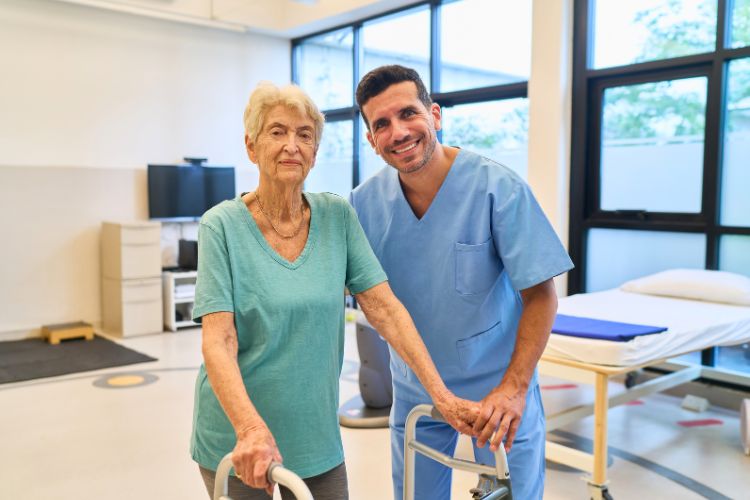
Staying independent encourages seniors to stay active, move, and exercise. Physical activity helps keep muscles strong and reduces the risk of falls. It also supports mental health by reducing stress and keeping the mind sharp. Having freedom and routine can help avoid feelings of loneliness or depression.
Social Engagement and Connections
Independent living supports social life. Seniors can participate in local events, meet neighbors, or enjoy shared hobbies. Services such as shared living arrangements or group activities help seniors connect with others while maintaining their privacy and freedom.
Skill Development and Confidence
Living independently encourages learning new skills. Seniors may practice cooking, budgeting, or using technology. Programs like development-life skills training can improve daily life and maintain independence. These skills give seniors confidence to manage their day-to-day tasks safely.
Overall Quality of Life
Combining independence with support services, such as home care, personal care, and transportation assistance, enables seniors to enjoy life to the fullest. They feel more capable, connected, and in control of their choices. Independent living is a way to strike a balance between freedom, safety, comfort, and social engagement.
Common Challenges Seniors Face in Living Independently
Living independently can be rewarding, but seniors often face challenges like mobility issues, household tasks, and transportation difficulties. Understanding these challenges helps families and caregivers offer the proper support, ensuring seniors stay safe, confident, and connected while maintaining freedom and control over their daily routines and personal lives.
Physical Limitations and Safety Risks
As people age, mobility and strength may decline. Tasks such as climbing stairs, carrying groceries, or standing for extended periods can be challenging. Seniors may also face safety risks such as falls or accidents in the kitchen or bathroom. Simple adjustments, such as grab bars, good lighting, and non-slip mats, along with home care support or assistance with personal activities, can help keep seniors safe while maintaining their independence.
Household Management
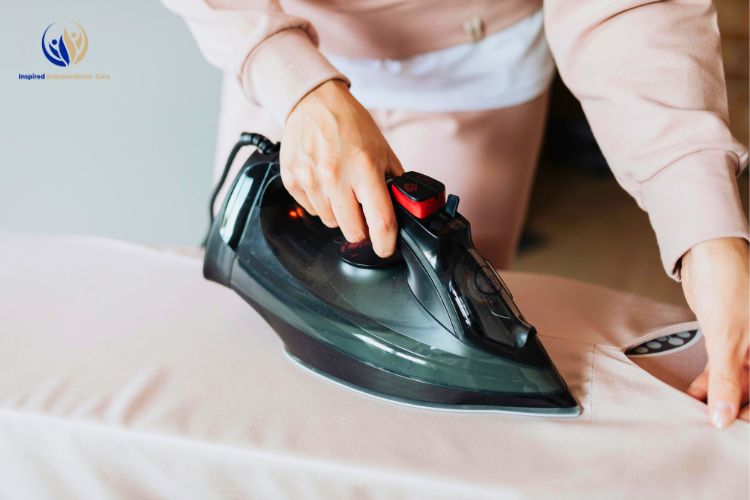
Managing chores like cooking, cleaning, and laundry can be tiring. Some tasks may become overwhelming for seniors. Household tasks services can help them maintain a tidy, comfortable home without losing control of their daily life. This support helps seniors maintain their independence while reducing stress.
Transportation and Emotional Challenges
Driving may become unsafe with age, making it hard to attend appointments or social activities. Reliable assistance in travel transport services helps seniors stay mobile and connected. Emotional challenges, like loneliness or anxiety, can also arise. Programs like shared living arrangements or regular social visits help seniors stay engaged and supported.
By understanding these challenges, seniors and their families can plan the proper support. This ensures safe, confident, and fulfilling independent living.
Essential Support Services That Empower Independent Living
Independent living works best when seniors have access to the right support services. These services help older adults stay safe, comfortable, and active in their homes. They do not take away freedom. Instead, they make everyday life easier and more enjoyable. Seniors can continue their routines while receiving assistance with tasks that may be challenging. With professional support, older adults can focus on what matters most: living confidently and staying connected with their family and community.
Household Tasks
Daily chores, such as cleaning, cooking, laundry, and home maintenance, can be tiring. Household tasks services help seniors manage these activities without losing independence. A little help with these chores allows seniors to enjoy their home safely. It also reduces stress and the risk of accidents. Professionals can step in when needed, while seniors remain in control of their daily lives.
Assist in Travel and Transport Services
Navigating the world can be challenging for seniors. Driving may become difficult, and public transport can be confusing or unsafe. Assist with travel and transport services, providing reliable support for appointments, shopping, or social activities. Seniors can maintain their mobility and freedom without worry. Regular trips also help them stay socially active and connected to their community.
Personal Care and Daily Activities
Even healthy seniors may require assistance with specific personal tasks. Assist personal activities services can help with grooming, medication reminders, bathing, or dressing. This support ensures safety and dignity while maintaining independence. Seniors can focus on activities they enjoy, knowing that help is available when needed.
Development of Life Skills
Independent living also benefits from skill-building programs. Developmental life skills training helps seniors learn or improve abilities such as cooking, budgeting, or using technology. These skills make daily tasks easier and build confidence. Learning new skills can also boost mental sharpness and keep seniors engaged in life.
By combining these services, household tasks, transport assistance, personal care, and skill development, seniors can enjoy independence safely. These services ensure that older adults live comfortably, stay active, and maintain social connections, all while keeping control over their daily lives.
Independent Living Communities & Shared Living Options
Independent living communities provide seniors with the opportunity to live safely while remaining socially engaged and connected. These communities strike a balance between privacy and opportunities to engage with others. Seniors can enjoy a comfortable home, participate in social activities, and receive professional support when needed. Shared living is another option that strikes a balance between independence and companionship.
Key Advantages of Independent and Shared Living
- Safe and Comfortable Homes – Seniors can live in a home designed for their needs. Safety features reduce accidents while allowing freedom.
- Social Opportunities – Regular activities, common areas, and group events help seniors stay connected and reduce the risk of social isolation and loneliness.
- Professional Support Nearby – Access to home care support or a personal care plan ensures help is available when needed, without compromising independence.
- Shared Living Benefits – Sharing a home with other seniors provides companionship and shared responsibilities, making life more enjoyable.
- Maintains Independence – Even with shared living, seniors control their daily routines, meals, and lifestyle choices.
- Access to Life Skills Programs – Seniors can continue learning new skills through life skills programs, enabling them to manage daily tasks with greater confidence.
- Transportation Assistance – Many communities offer assistance with travel and transportation services, enabling seniors to attend appointments or social events safely and securely.
Independent and shared living communities are designed to help seniors enjoy life to the fullest. They combine comfort, safety, social engagement, and support, allowing older adults to remain independent while feeling connected and cared for.
Life Skills Training for Seniors
Learning and practicing life skills is essential for seniors who want to live independently. These skills help older adults handle daily tasks safely and confidently. Life skills training also supports mental sharpness and emotional well-being. Seniors can continue to enjoy routines, hobbies, and social life while staying self-reliant.
Practical Skills for Daily Life
Life skills programs focus on tasks like cooking, cleaning, and managing finances. Seniors learn how to plan meals, budget for expenses, and organize household chores. These skills reduce stress and make independent living easier. Services like household tasks support and development-life skills programs reinforce what seniors learn in practical ways.
Technology and Communication Skills
Seniors can also benefit from learning to use phones, tablets, or computers. Staying connected through video calls or online services helps reduce loneliness. It also allows them to access community resources or healthcare easily. Life skills programs often include guidance for safe technology use.
Building Confidence and Independence
Learning new skills gives seniors confidence to manage their daily lives. They feel more capable, secure, and empowered. Programs like development-life skills training help seniors stay active, engaged, and independent, even if they need occasional support.
Life skills training is a key part of independent living. It equips seniors with tools to handle daily tasks, stay connected, and live confidently. Combining these programs with services such as personal care, transportation assistance, and shared living arrangements makes independent living safer and more fulfilling.
How Families Can Support Seniors to Live Independently
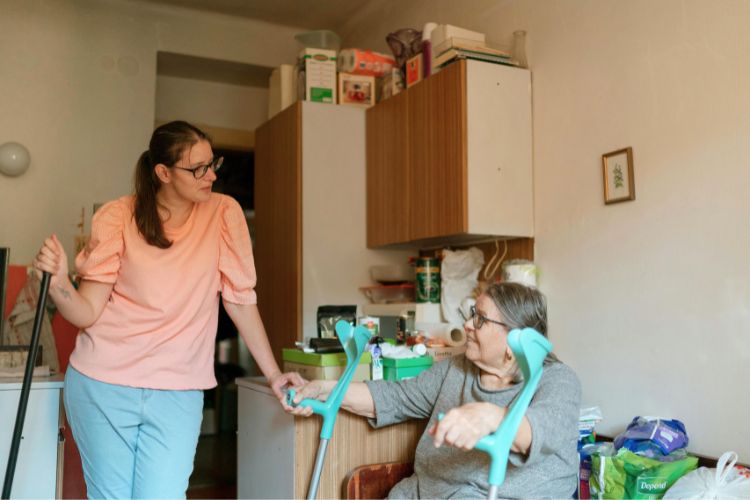
Families play a crucial role in helping seniors maintain their independence. Their support makes seniors feel valued, confident, and safe. The key is to offer help without taking away freedom.
Encouraging Independence
Seniors should be allowed to make choices about their daily routines. Families can guide and support them, but not take over their responsibilities. Encouragement to handle tasks such as cooking, cleaning, or budgeting helps build confidence. Programs like development-life skills training can also help seniors strengthen these abilities.
Providing Practical Help
Sometimes, seniors require assistance with tasks that are physically demanding or complex in nature. Families can arrange support for household tasks, assist with personal activities, or use transport services. This ensures seniors remain independent while staying safe and healthy.
Emotional Support and Social Connections
Emotional well-being is just as important as physical safety. Families can help seniors stay socially connected. Regular visits, phone calls, and participating in shared living arrangements or community programs can help prevent loneliness. Encouraging hobbies and social activities also keeps seniors engaged and active.
By combining guidance, practical help, and emotional support, families help seniors live independently. This balanced approach ensures older adults feel empowered, safe, and connected while maintaining control over their daily lives.
Practical Tips for Seniors Who Want to Stay Independent
Living independently becomes simpler when seniors use practical strategies. Following these tips helps older adults stay safe, active, and confident every day. From managing daily tasks to staying socially connected and using supportive services, these approaches empower seniors to maintain freedom, enjoy routines, and live a fulfilling, self-reliant life.
Simple Ways to Maintain Independence
- Stay Physically Active – Gentle exercises, such as walking, stretching, or light workouts, help keep muscles strong and improve balance.
- Keep a Routine – Having a daily schedule for meals, chores, and leisure helps seniors stay organized and confident.
- Utilize Support Services – Services such as household tasks support, assistance with personal activities, and transport assistance make daily life more manageable.
- Stay Socially Connected – Participate in community programs, hobbies, or shared living arrangements to reduce loneliness and stay engaged.
- Learn New Skills – Programs like development-life skills training help seniors handle technology, finances, and home tasks with confidence.
- Make the Home Safe – Install grab bars, non-slip mats, and ensure proper lighting to prevent accidents.
- Monitor Your Health Regularly – keep up with medical check-ups and follow health advice to maintain your wellness.
These simple practices enable seniors to enjoy life while maintaining their independence and autonomy. Combining safe routines, social connections, skill development, and practical support helps older adults live confidently, comfortably, and entirely in their own home.
Final Thoughts
Independent living for seniors is about freedom, dignity, and confidence. With the proper support, older adults can maintain their daily routines, foster social connections, and experience personal growth. Services such as household tasks support, assistance with individual activities, transportation assistance, and development of life skills programs help seniors stay safe and self-reliant. Shared living options also offer companionship without compromising independence.
Living independently is not just a physical choice; it supports emotional well-being. Seniors feel empowered when they manage their own lives, remain socially active, and continue to learn new skills. Families play an important role by offering guidance, emotional support, and access to services without taking over control.
Take the Next Step
If you or a loved one wants to explore independent living, start by considering what support is needed. Explore services such as shared living, home care support, and skill development programs. Planning ensures safety, comfort, and a fulfilling lifestyle. Independent living lets seniors enjoy freedom while staying connected, active, and confident in their daily lives. Contact Inspired I Care today to discuss your needs and get personalised support.
Frequently Asked Questions
What is the average cost of senior independent living?
The cost of independent living for seniors in Australia varies depending on location, type of accommodation, and services included. On average, seniors can expect to pay between AUD 1,500 and AUD 3,500 per month. Costs may be lower if fewer services are needed or if the senior chooses smaller units or shared living options.
What is the cheapest way for a senior to live?
The most affordable option is usually shared living arrangements, where seniors share a home or apartment with others. This reduces rent, utility bills, and some daily living costs. Choosing smaller units, managing some tasks independently, or using community-based support services can also lower expenses.
What is the difference between independent living and senior living?
Independent living focuses on seniors who can manage most daily tasks themselves but may need occasional support. Seniors live in their own apartments or homes, with access to services such as home care, transportation assistance, and household help. Senior living, also known as assisted living, offers more hands-on care for seniors who require regular assistance with personal activities, medication management, or daily tasks.
What are the qualifications for independent living for seniors?
Seniors who are generally healthy and able to handle basic daily tasks are the leading candidates. They should be able to cook, clean, manage personal care, and move safely around their home. Some programs may have age requirements (typically 65 and above), while others may consider health needs, mobility, or the ability to pay for services.