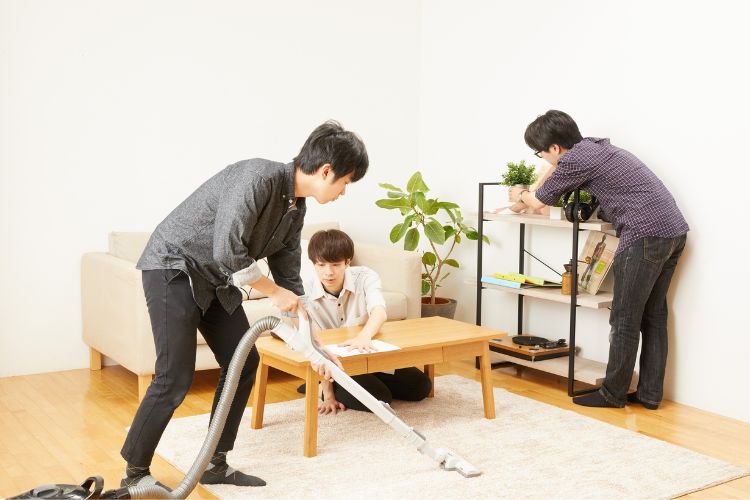

Life Skills Programs for Adults with Disabilities help people live with more freedom and confidence. These programs focus on fundamental, everyday skills. They support daily living, social interaction, decision-making, and personal growth. In Australia, many NDIS participants enroll in life skills training to develop independence.
Simple skills, such as cooking, cleaning, budgeting, or using public transportation, can make daily life easier. Clear communication and social skills also help people connect with others and join their communities. With the proper support, adults with disabilities can set goals, learn step by step, and gain confidence.
In-home support, group activities, and supported independent living all offer different ways to learn and grow. Each program aims to help people live well and feel more in control of their lives.
What Are Life Skills Programs?
Life skills programs are structured supports that help adults with disabilities build essential skills for everyday life. These programs focus on promoting independence, daily living skills, and community participation. They provide people with the opportunity to learn step by step, gain confidence, and live more freely. With the proper guidance, adults can handle daily tasks, make choices, and connect with others in meaningful ways.

Definition and Core Purpose
Life skills programs teach practical abilities that people use every day. This includes cooking, cleaning, budgeting, personal care, and using public transport. They also cover social interaction, communication, and decision-making skills. The primary goal is to support each person in living as independently as possible.
How Life Skills Programs Work
These programs offer structured learning in a safe and supportive way. Support workers or carers guide adults through hands-on activities. Skills are introduced slowly, giving each person time to practice and build confidence. Learning happens at home, in the community, or in group settings, depending on the person’s goals.
Why They Matter for Adults with Disabilities
For many NDIS participants in Australia, life skills programs provide opportunities for greater independence. By acquiring practical skills, adults can engage more actively in their communities, communicate more effectively, and manage daily life with less reliance on support. Each program is tailored to personal needs, so no two plans are the same. Over time, this fosters self-reliance, enabling people to enjoy a more fulfilling and active lifestyle.
Key Life Skills Areas Covered
Life skills programs for adults with disabilities focus on different areas that help people live more independently and confidently. Each area teaches practical skills for everyday life. From personal care to social interaction, decision-making, and community engagement, these programs equip participants with the tools to manage daily life effectively. With guidance and practice, adults can gain confidence and take more control over their routines and choices.
Daily Living Skills
Daily living skills are the foundation of independence. Programs teach cooking, cleaning, personal hygiene, budgeting, and using public transport. Learning these skills helps adults manage daily tasks more effectively, reducing their reliance on others.
Support workers guide participants through tasks in a step-by-step manner. For example, a person may learn to plan a simple meal, organize a weekly budget, or safely navigate public transport. Practicing these tasks repeatedly builds confidence and makes daily life smoother. Adults gain more freedom and a sense of accomplishment as they master each skill.
Social and Communication Skills
Social and communication skills enable people to connect with others and actively participate in their communities. Programs cover building relationships, understanding social etiquette, and managing conversations.
Through role-playing, group activities, or guided discussions, participants learn how to express themselves clearly and respond appropriately in social situations. This improves confidence, making it easier and more comfortable to join group events, volunteer, or meet new people.
Decision-Making and Problem-Solving Skills
Life skills programs also focus on decision-making and problem-solving. Adults learn to make choices, plan actions, and solve daily challenges.
Structured activities and real-life practice help participants think through options, manage risks, and become more independent. These skills are essential for everyday life, from choosing what to eat to handling unexpected situations safely and effectively.
Health and Personal Safety Skills
Programs include health and personal safety training. Participants learn about self-care, maintaining hygiene, understanding personal boundaries, emergency contacts, and healthy routines.
Knowing these skills protects participants and promotes well-being. Adults gain confidence in taking care of themselves and responding to emergencies, making independence safer and more achievable.
Employment and Community Participation Skills
Life skills programs often teach job readiness, volunteering, and community participation. Participants build confidence to explore new work opportunities, join social activities, or contribute to their communities.
By practicing real-life tasks and communication, adults can develop skills that enhance employability, promote social inclusion, and contribute to living active, fulfilling lives.
Types of Life Skills Programs Available in Australia
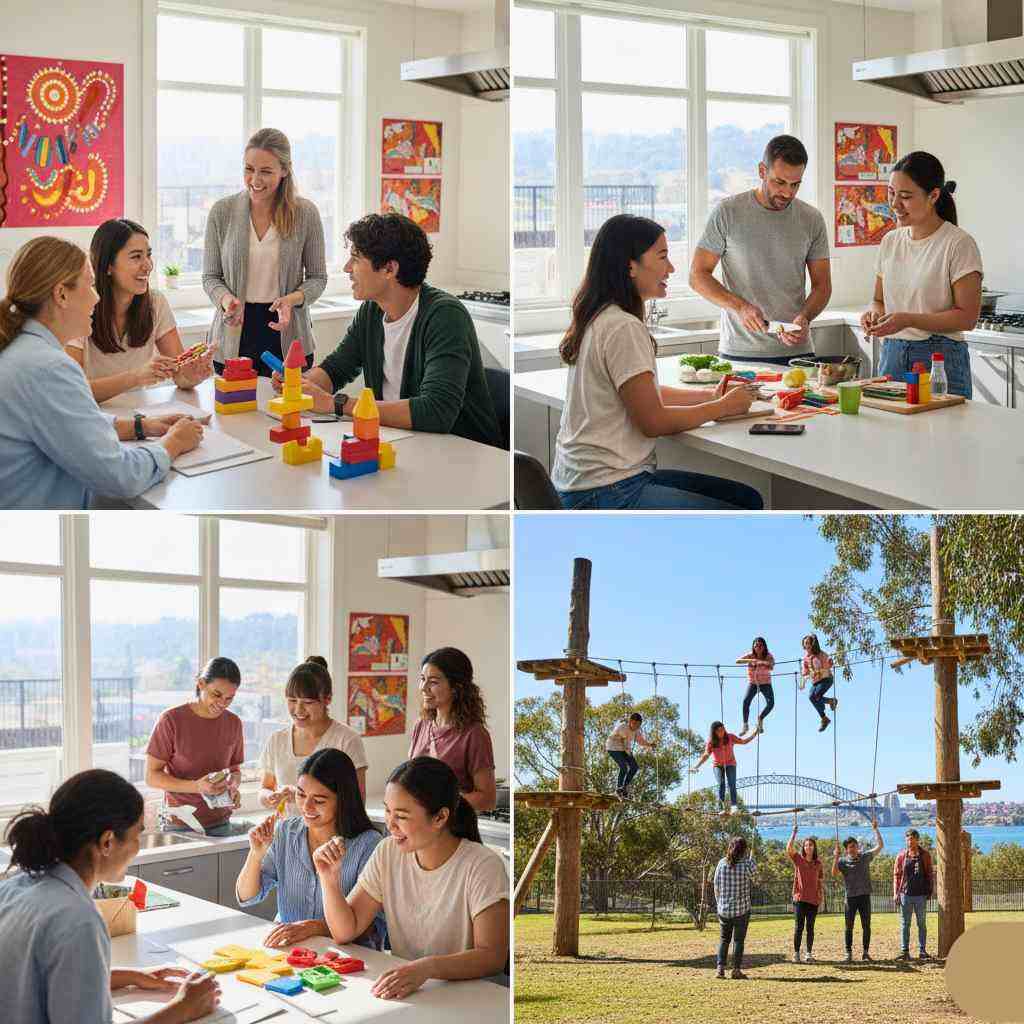
Adults with disabilities in Australia can access a variety of life skills programs. These programs are designed to match individual goals, needs, and abilities. They can take place at home, in the community, or in supported living environments. Each type focuses on building independence, confidence, and social connection. NDIS participants often utilize these programs to acquire practical skills and engage in community life.
In-Home Skill Development Programs
These programs take place in a participant’s own home. Support workers guide adults through daily living tasks and assist them in developing personal skills.
- Hands-on learning in familiar surroundings
- Cooking, cleaning, budgeting, and personal care guidance
- Tailored support to meet individual goals
- Step-by-step skill building at a comfortable pace
Community-Based Programs
Community programs focus on learning in real-life settings outside the home. Participants practice skills while engaging with others.
- Group workshops and training sessions
- Excursions to shops, transport hubs, or community centers
- Social skill building and networking opportunities
- Learning independence through practical experiences
Supported Independent Living (SIL)
SIL programs provide structured living environments where adults can learn life skills daily while receiving support.
- Personal care, meal preparation, and household management
- Supervised practice of decision-making and problem-solving
- Opportunities for social interaction with housemates
- Encourages long-term independence
Group Activities and Day Programs
Day programs offer structured group sessions to develop skills in a fun and supportive way.
- Social interaction and communication practice
- Creative, recreational, and practical skill-building activities
- Learning teamwork and community participation
- Guided by experienced support workers
Life skills programs in Australia give adults with disabilities practical skills, confidence, and independence. Through in-home support, community programs, SIL, and day activities, participants can live safely, connect socially, and fully participate in everyday life.
Benefits of Life Skills Programs for Adults with Disabilities
Life skills programs provide more than just practical training. They help adults with disabilities gain confidence, independence, and a better quality of life. These programs focus on daily living, social interaction, decision-making, and community participation. For many NDIS participants, joining a life skills program can make everyday life easier and more enjoyable.
Improved Confidence and Independence
Learning daily living skills helps participants feel capable and self-reliant. Simple tasks, such as cooking, budgeting, and using public transportation, build confidence. Adults can make their own choices and manage daily routines without needing constant support. Over time, this independence improves overall well-being.
Better Social Interaction and Inclusion
Life skills programs often include social and communication training. Participants learn how to build relationships, manage conversations, and understand social etiquette. This helps adults engage in community activities, join group programs, and make meaningful connections, reducing feelings of isolation.
Enhanced Decision-Making and Problem-Solving
Programs teach participants to make informed decisions and solve everyday problems. Adults practice thinking through options, managing risks, and planning their day. These skills help them handle challenges safely and confidently, both at home and in the community.
Increased Community and Employment Participation
Life skills programs also prepare adults for work, volunteering, or community involvement. Training in job readiness, teamwork, and social participation empowers participants to take part in meaningful activities. NDIS-supported programs make it easier to join programs that match individual goals and abilities.
Reduced Reliance on Carers and Family
As adults develop skills and confidence, they rely less on family or carers for support. Daily routines, personal care, and social engagement become more manageable. This not only promotes independence but also gives families peace of mind.
How Life Skills Programs Work Under NDIS
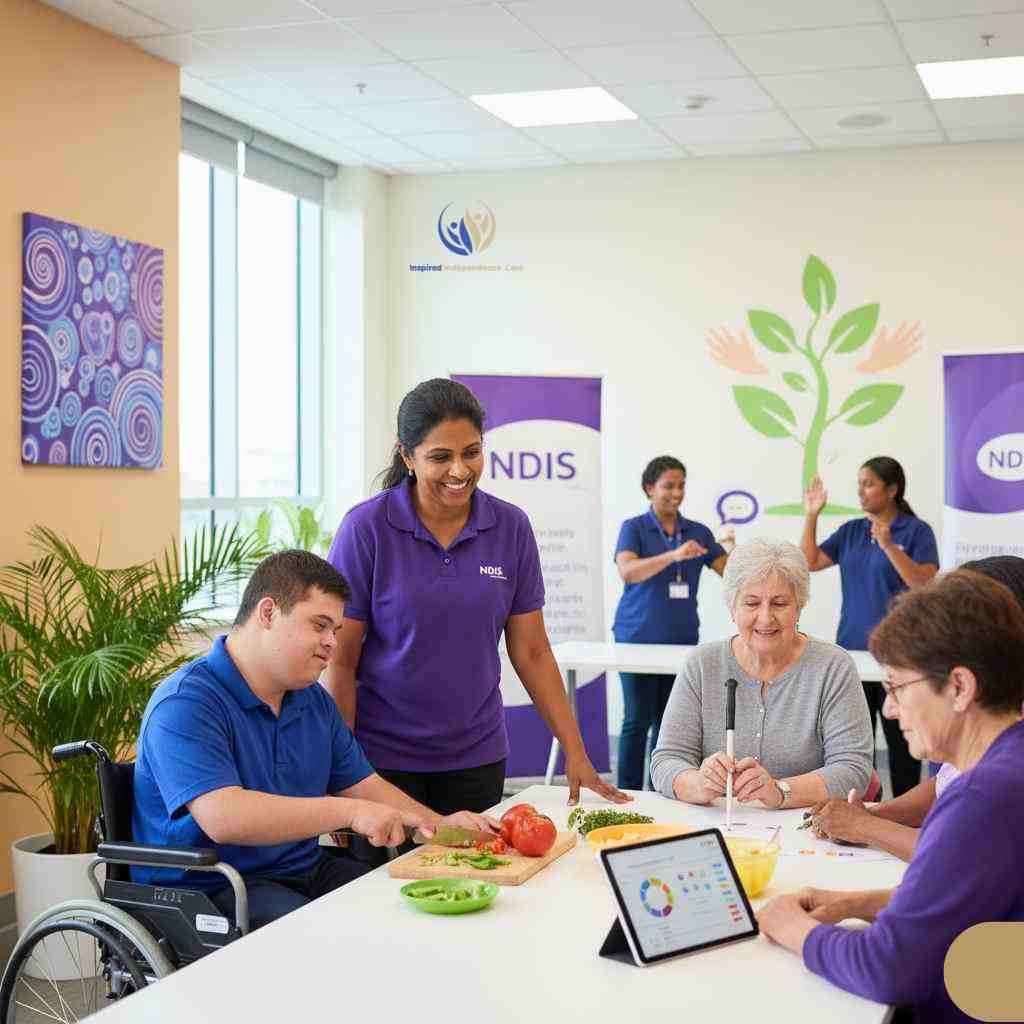
In Australia, many adults with disabilities access life skills programs through the NDIS. These programs are funded to help participants learn practical skills, gain confidence, and live more independently. NDIS funding enables programs to be tailored to each individual’s specific needs, goals, and abilities.
NDIS Funding Options
NDIS provides different types of funding that can cover life skills programs:
- Core Supports: Helps with daily living activities and personal care.
- Capacity Building Supports: Focuses on developing skills like decision-making, social skills, and daily living skills.
These options ensure that adults receive the right level of support tailored to their personal goals. Participants can use funding to access in-home training, community programs, or supported independent living services.
Choosing the Right Provider
It’s essential to select a provider who understands the NDIS system and can create a tailored program that meets your needs. Look for:
- Experienced staff trained in disability support
- Programs that match personal goals and abilities
- Flexible options for in-home, community, or group learning
- Positive feedback from other participants and families
A good provider will guide adults through skill-building safely, step by step, and make learning an engaging experience.
How Programs Are Delivered
Life skills programs under NDIS are usually hands-on and practical. Participants learn through real-life activities, role-playing, and guided practice. Sessions may be in-home, in community settings, or in supported independent living arrangements.
NDIS ensures that programs are flexible. Adults can progress at their own pace. Learning focuses on fostering independence, confidence, social inclusion, and community participation. Programs are designed to equip participants with skills they can apply every day.
How to Choose the Right Life Skills Program
Choosing the right life skills program is essential for adults with disabilities. A well-matched program helps participants gain confidence, practical skills, and a sense of independence. It should align with personal goals, learning style, and daily living needs. The right program empowers adults to manage their routines, engage with their communities, and feel more in control of their lives.
Assess Individual Needs and Goals
The first step in choosing a program is understanding the participant’s needs. Consider which daily living skills require support, which social or communication skills should be developed, and if there are specific health or safety goals. This assessment ensures the program focuses on relevant areas. When programs address real-life needs, learning becomes more meaningful, and participants are more motivated to practice skills regularly.
Check the Provider’s Approach
Not all programs operate in the same manner. The best providers offer personalized learning rather than one-size-fits-all solutions. They guide participants step by step and provide hands-on practice. Experienced staff familiar with NDIS participants make learning a safer and more effective experience. Flexible delivery options, such as in-home support, community-based sessions, or group programs, allow participants to feel comfortable and engaged while learning at their own pace.
Involve Families and Trial Programs
Family involvement strengthens learning. Guardians can share insights about daily routines, monitor progress, and provide encouragement. Their input ensures that goals are realistic and achievable. Trial sessions or initial consultations are also valuable. They allow participants to experience the program, assess their comfort level with the staff, and determine if the teaching style aligns with their learning needs. These steps help ensure the program is the right choice for the participant’s independence and growth.
Why Inspired I Care is a Trusted Choice
Inspired I Care has years of experience supporting adults with disabilities in building life skills and achieving independence. Their programs focus on practical learning, building confidence, and community engagement. For many NDIS participants, Inspired I Care offers a safe, supportive, and tailored approach that makes a meaningful difference in their daily lives.
Experienced and Compassionate Staff
Inspired I Care employs trained and experienced staff who understand the needs of adults with disabilities. They provide patient guidance, hands-on learning, and step-by-step support. Whether teaching daily living skills, social interaction, or decision-making, staff focus on practical, real-life skills that participants can use every day. Their compassion and expertise make learning a safe, comfortable, and practical experience.
Tailored Programs for Individual Goals
Every participant has unique needs and goals. Inspired I Care creates personalized programs that focus on what matters most to each person. Whether learning cooking, budgeting, social skills, or participating in community activities, programs are adapted to match individual abilities and interests. This tailored approach ensures that each adult develops the skills they need to live more independently and confidently.
Flexible Learning Options
We offer flexible options, including in-home support, community programs, and group activities. This flexibility enables participants to learn in environments that best suit them. Programs are designed to promote independence, build confidence, and foster social inclusion, allowing the adults to take an active role in their daily lives and the broader community.
Take the Next Step Today
If you or a loved one wants to build life skills, gain independence, and enjoy a more confident lifestyle, Inspired I Care can help. Their personalized programs, experienced staff, and flexible learning options make them a trusted choice for NDIS participants. Contact Inspired I Care today to start the journey toward independence and meaningful participation in daily life.
Final Thoughts
Life skills programs for adults with disabilities play a crucial role in helping participants live more independently, confidently, and safely. By focusing on daily living skills, social and communication abilities, decision-making, and community participation, these programs empower adults to take control of their routines and build meaningful connections.
Whether through in-home support, community programs, or supported independent living, the right life skills program provides step-by-step guidance tailored to each participant’s unique needs. NDIS participants in Australia can access funded programs that focus on personal growth, independence, and the development of real-life skills. Over time, these programs reduce reliance on carers, boost confidence, and open opportunities for employment, volunteering, and social engagement.
Frequently Asked Questions (FAQs)
What life skills can adults with disabilities learn through these programs?
Adults can learn daily living skills, including cooking, cleaning, budgeting, personal care, and using public transportation. Programs also cover social interaction, communication, decision-making, health, safety, and community participation. These skills help build independence and confidence.
Does NDIS cover life skills programs?
Yes. Many life skills programs are funded through NDIS under capacity building supports or core supports. NDIS funding allows participants to access tailored programs, in-home training, community programs, and supported independent living options.
Can life skills programs be tailored to individual goals?
Absolutely. Every program is tailored to meet the participant’s specific needs, strengths, and interests. Tailored programs focus on the skills most relevant to the individual, helping them gain independence and achieve meaningful daily outcomes.
How do these programs support independent living?
Life skills programs teach practical skills that make daily life easier and safer. Participants gain confidence in managing personal care, household tasks, social interactions, and decision-making, thereby reducing their reliance on family or caregivers.
How can I find the right life skills program near me?
Start by researching NDIS-approved providers in your area. Consider their experience, approach, flexibility, and feedback from other participants. Trial sessions or consultations can help determine the best fit for your needs.
Can these programs help with employment or community involvement?
Yes. Many programs include job readiness, volunteering, and social participation training. Participants develop skills to take part in community activities, work environments, and group programs, promoting inclusion and confidence.