
Life skills for adults are the tools people use to live with confidence and independence. These skills are useful for daily tasks such as cooking, cleaning, and time management. They also cover money, social life, and clear communication. Many people reach adulthood without a guide, which can make simple things feel hard.
Learning these skills gives structure to everyday life. It also aids in decision-making and personal growth. Budget planning, collaborating with others, and problem-solving are all essential components. When adults learn these skills, they gain freedom and self-belief.
For people who receive support through the NDIS, learning life skills can open up new doors. It can help build strong routines and more control over daily life. This guide explains key skills in a clear and concise way, enabling adults to live with greater confidence each day.
Daily Living Skills for Adults
Daily living skills are the basic abilities every adult needs to manage daily life. These skills support personal care, household tasks, and time management. When adults build these habits, they feel more in control and confident. Strong daily living skills support independent living and make everyday tasks more manageable and less stressful.

Personal Hygiene and Self-Care
Personal hygiene is the foundation of daily life. It includes brushing teeth, bathing, grooming, and wearing clean clothes. These habits support good health and help people feel fresh and confident. Regular checkups, basic first aid, and keeping personal items clean are part of self-care too.
Self-care goes beyond hygiene. It also includes making time for rest, sleep, and simple activities that keep the mind calm. Adults who follow a routine for self-care often find it easier to manage their days. Good hygiene and self-care create structure and build self-esteem.
Household Management
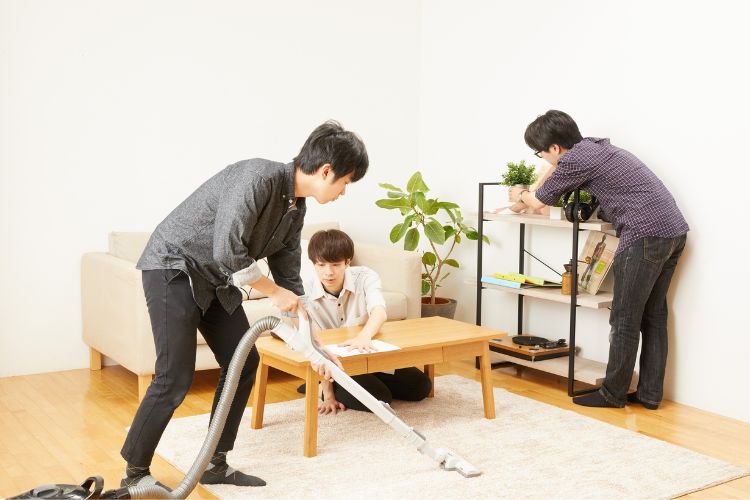
Managing a home is one of the most practical life skills for adults. It includes cleaning, cooking, and keeping things organized. Using daily or weekly checklists helps adults stay on track and build strong routines.
Simple tasks like doing laundry, washing dishes, wiping down surfaces, and putting items back in place keep the home neat. These small habits prevent clutter and save time.
Basic home maintenance is also part of these skills. Adults should know how to change light bulbs, check smoke alarms, and report repairs when needed.
A clean and organized home improves mood and focus. It also makes living alone or with others easier and more enjoyable, supporting greater independence and confidence in daily life.
For extra support with everyday chores, consider our household task services to simplify and structure your home management.
Time Management
Time management is crucial for both work and personal life, as well as for self-care. Adults can use calendars, planners, or mobile apps to plan their day. Breaking tasks into small steps makes them easier to finish.
A daily routine helps reduce stress and saves time. Adults who manage their time effectively often feel more balanced and better prepared for new responsibilities. Simple habits, such as setting alarms, writing task lists, or planning meals, can make a significant difference.
Communication and Social Skills
Life skills for adults include the ability to communicate clearly and build strong social connections. These skills help adults form healthy relationships at home, at work, and in the community. Good communication reduces misunderstandings, improves confidence, and makes daily life smoother.
Strong social skills also support independent living by encouraging teamwork, respect, and meaningful interactions. When adults can express their thoughts and understand others, they feel more included and confident in different settings.
Verbal and Non-Verbal Communication
Life skills for adults include clear verbal and non-verbal communication, which plays a big role in everyday life. Clear verbal communication means speaking in a simple, honest way. It involves expressing thoughts clearly, avoiding confusion, and listening carefully to others.
Good listening is just as important as talking. Adults can improve their communication skills by maintaining eye contact, staying focused, and allowing others to finish speaking.
Non-verbal communication is just as powerful. It includes body language, facial expressions, and gestures. A warm smile, a gentle nod, or an open posture can make conversations feel more welcoming. Being aware of the tone of voice also makes a difference.
These small actions help build trust, boost confidence, and make interactions smoother, whether in daily conversations, social settings, or job interviews.
Building Healthy Relationships
Healthy relationships rely on respect, honesty, and clear boundaries. Adults should feel safe expressing their needs and listening to others with care. Setting boundaries helps avoid conflicts and supports mutual respect.
Healthy friendships and partnerships are based on kindness and empathy. Saying “no” when needed is part of good communication. It protects personal space and builds stronger bonds. Adults who develop these skills often feel more secure and valued in their relationships.
Community Participation for Life Skills for Adults
Taking part in community life helps build social confidence. Adults can join local clubs, workshops, or volunteer groups to meet new people and expand their social circle. Simple steps, such as attending events or joining hobby groups, can lead to lasting friendships.
Community involvement fosters teamwork and provides adults with a sense of belonging. For people supported through the NDIS, it can also foster independence and enhance social skills in real-life settings.
To learn how to build communication and social skills through structured programs, explore community participation services offered by Inspired iCare.
Financial and Money Management Skills
Financial skills enable adults to manage their money with confidence. These skills encompass budgeting, saving, paying bills, and making smart spending decisions.
Adults who understand money can make better choices, reduce stress, and live more independently. Learning to control finances is essential for daily life and long-term stability.

Budgeting Basics
Budgeting is the first step to managing money. It helps adults see where their income goes each month. A simple plan lists income, essential expenses, and savings goals. Tools like planners, apps, or even a notebook can make tracking money easier.
Budgeting also teaches priorities. Adults learn to spend on needs first, then decide on wants. Keeping a clear record of income and expenses prevents overspending. It also provides peace of mind and confidence in managing finances.
Paying Bills and Saving
Paying bills on time is a key life skill. Adults should track due dates for rent, utilities, and other recurring payments. Setting reminders or using automatic payments can help avoid late fees.
Saving money is equally important. Even small amounts set aside each month can grow over time. Adults can create an emergency fund to cover unexpected costs. Learning to save builds security and reduces financial stress.
Smart Spending
Smart spending involves making informed decisions about your finances. Adults should compare prices, plan purchases, and avoid impulse buying. Understanding the difference between needs and wants helps control expenses.
It’s also helpful to review purchases on a regular basis. Tracking spending habits shows where money can be used more wisely. Adults who spend their money carefully feel more in control and better prepared for the future.
Employment and Career Skills
Employment and career skills help adults find work and succeed in the workplace. These skills include job searching, resume writing, workplace communication, and acquiring new skills.
Adults who develop these skills feel confident, prepared, and independent. They also open more opportunities for growth and personal success.
Job Search and Applications
Finding a job begins with understanding which roles align with your skills and interests. Adults should explore job boards, company websites, or local community programs.
Writing a clear resume and cover letter is key. It should highlight experience, skills, and achievements in a clear and concise manner.
Applying for jobs also requires patience and persistence. Following up on applications and preparing for interviews improves chances of success. Adults who plan their job search step by step often feel more in control and motivated.
Workplace Etiquette and Skills
Once employed, good workplace skills help adults succeed. Being on time, dressing appropriately, and showing respect to colleagues are basic expectations.
Communication is also important; listening carefully, asking questions politely, and reporting issues clearly make work smoother.
Teamwork is another important skill. Collaborating with others, sharing ideas, and offering help when needed fosters trust and enhances productivity. Adults who practice workplace etiquette often feel confident and respected in their workplace.
Upskilling and Lifelong Learning
Lifelong learning increases opportunities for promotion, higher pay, or new job paths. It also boosts self-confidence and independence. Adults who continue learning are better equipped to adapt to changing work environments and manage challenges more effectively.
Emotional Intelligence and Self-Management
Emotional intelligence and self-management enable adults to understand and manage their emotions effectively. These skills improve relationships, decision-making, and daily life.
Adults who practice self-awareness, stress management, and problem-solving skills tend to feel calmer, more confident, and more independent. These skills are essential for personal growth and successful independent living.
Stress Management and Coping
Stress is a part of daily life. Adults can learn simple ways to handle it. Breathing exercises, taking short breaks, or engaging in physical activity can help reduce tension. Talking with friends, family, or support workers can also help relieve stress.
Managing stress improves focus and makes tasks easier. Adults who understand their triggers can plan ahead and avoid feeling overwhelmed. Good stress management supports mental health and daily functioning.
Decision-Making and Problem-Solving
Making choices and solving problems are part of every adult’s life. Adults can break tasks into small steps and weigh options carefully. Listing pros and cons, seeking advice, or considering outcomes helps make better decisions.
Problem-solving skills are essential for addressing challenges at work, home, or in social situations. Adults who practice these skills feel more confident and prepared for unexpected situations.
Self-Awareness and Adaptability
Self-awareness involves recognizing your emotions, strengths, and areas for improvement. Adults who understand themselves make better decisions and communicate clearly.
Adaptability is also important. Life often changes, and adults who adapt quickly tend to handle challenges more effectively.
Being aware of emotions and adjusting to change increases independence. Adults learn to manage relationships, work responsibilities, and personal goals more smoothly. These skills also build resilience and long-term confidence.
Practical Skills for Independent Living
Practical skills for independent living enable adults to manage their daily lives safely and confidently. These skills include travel, cooking, and emergency awareness.
Adults who develop these abilities feel more in control and capable. Strong independent living skills also support personal growth, self-reliance, and participation in community life.

Using Public Transport and Navigating Travel
Being able to use public transport is a key life skill. Adults should learn how to read timetables, plan routes, and understand fares. Practice helps reduce stress and builds confidence in navigating the world safely.
Travel skills also include basic safety measures, such as knowing emergency contacts and remaining vigilant in unfamiliar places. Adults who master travel skills can attend work, appointments, or social events independently.
Cooking and Meal Preparation Life Skills for Adults
Cooking is an important part of daily living skills. Adults should start with simple, healthy meals. Learning to shop for groceries, follow recipes, and store food safely is essential.
Meal preparation encourages independence and helps maintain a balanced diet. Cooking at home also supports budgeting and reduces reliance on takeout. Even small improvements, like chopping vegetables or boiling pasta, build confidence over time.
Safety and Emergency Response
Understanding safety and emergencies is essential for independent living. Adults should know basic first aid, how to use smoke alarms, and who to call in case of an emergency.
Planning for unexpected situations builds confidence and reduces panic. Adults can practice drills, keep important numbers handy, and learn simple safety rules at home and in the community. These skills make daily life safer and more manageable.
How Inspired iCare Can Support Life Skills Development
Inspired iCare offers programs that help adults build essential life skills. These services focus on daily living skills, communication, money management, and independent living.
Adults who participate in these programs gain confidence, improve their independence, and feel more in control of their lives.
Personalized Support Programs
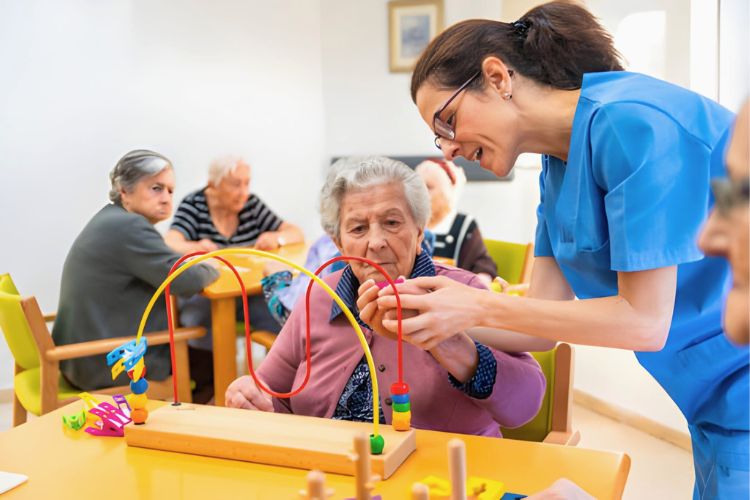
Inspired iCare creates tailored programs based on each person’s needs. Whether someone wants to improve their cooking, manage their finances, or learn social skills, the programs provide practical guidance. Staff work closely with adults to set achievable goals and track progress.
Personalized support ensures learning happens at a comfortable pace. Adults gain hands-on experience with real tasks, which builds confidence and independence over time.
NDIS Services and Life Skills
For adults receiving NDIS support, Inspired iCare offers structured life skills programs. These programs cover daily living, social interactions, and practical skills needed for independent life. Adults can learn travel skills, meal preparation, budgeting, and safety skills in a supportive environment.
NDIS services also provide guidance for planning routines, improving communication, and practicing problem-solving. This support helps adults feel prepared for everyday challenges and increases self-reliance.
Building Confidence and Independence
Learning life skills with Inspired iCare helps adults feel more capable and confident. Regular practice and support improve decision-making, time management, and social confidence.
Adults acquire the knowledge necessary to live independently, participate in their community, and manage daily responsibilities with confidence.
If you or a loved one wants to strengthen essential life skills, contact Inspired iCare today and start your path to confident, independent living.
Final Thoughts
Life skills for adults are essential for confident, independent living. They cover daily living tasks, communication, money management, emotional intelligence, and practical skills.
Adults who practice these skills gain control over their lives, feel more self-reliant, and handle challenges with ease.
Learning life skills is not a one-time task. It requires practice, patience, and support. Programs like those offered by Inspired iCare can help adults establish routines, enhance problem-solving skills, and increase independence.
By focusing on these skills, adults can effectively manage daily responsibilities, actively participate in their communities, and make informed decisions. Strong life skills bring freedom, confidence, and a sense of achievement every day.
Frequently Asked Questions
What are the most important life skills for adults?
The most important life skills include daily living skills, communication, money management, problem-solving, and emotional intelligence. These skills enable adults to live independently, make informed decisions, and handle challenges with confidence.
How can adults improve daily living skills?
Adults can improve daily living skills by practicing routines such as cooking, cleaning, personal hygiene, and time management. Using checklists, planners, or guidance from support programs helps make these habits consistent and easy to follow.
Why are life skills important for independent living?
Life skills give adults the ability to manage daily tasks, handle money, communicate effectively, and maintain their safety. Strong skills enhance confidence, self-reliance, and community participation, all of which are essential for independent living.
Can NDIS support help develop life skills?
Yes. NDIS programs provide structured support for learning practical life skills. Adults can receive guidance in areas like meal preparation, travel, budgeting, communication, and social interactions, helping them live more independently.
What life skills should young adults learn first?
Young adults should prioritize personal care, basic cooking, money management, time management, and effective communication skills. These foundational skills create independence and prepare them for work, study, and social life.
How long does it take to build strong life skills?
The time required varies depending on the skill and level of practice. Regular, consistent effort is key. Adults who practice daily tasks, utilize structured programs, and receive support often experience improvements within weeks to months.