
A Life Skills Training Program for Youth helps young people learn the basic skills they need to live with confidence. These programs teach simple things that make a big difference in daily life. Young people know how to manage money, talk with others, make good choices, and care for themselves. In Australia, many community and NDIS programs give this kind of support.
They help youth grow strong and ready for adult life. Learning life skills early builds confidence and makes it easier to handle new challenges. It also helps them feel proud, independent, and ready for the future. A life skills program is not just training, it’s a path to freedom and success.
What Is a Life Skills Training Program?
A Life Skills Training Program for Youth focuses on practical skills that help young people navigate daily life with ease. These skills go beyond school lessons; they prepare youth for independent living, work, and social life. It gives them tools to face everyday challenges and feel confident doing things on their own.
Understanding the Purpose of Life Skills Programs
Life skills programs are designed to help young people learn how to take care of themselves and make good decisions. They focus on areas like communication, problem-solving, budgeting, and emotional control. These are the same life skills that adults use every day, but many young people don’t get formal training in them.
By joining a life skills training program, youth can build independence, grow confidence, and improve social connections. It teaches practical life lessons, such as managing money, planning a schedule, preparing simple meals, and traveling safely in the community.
In Australia, many NDIS life skills programs are made to suit each person’s needs. They include both one-on-one support and group activities, helping youth learn at their own pace. The goal is simple: to help young people gain control over their daily lives and feel ready for the future.
Why Life Skills Matter for Youth Development
Life skills are more than basic tasks. They help young people grow confidence, independence, and resilience. Without these skills, youth may struggle with everyday challenges, relationships, or future jobs. Learning life skills early gives them a strong foundation for adult life.
Building Confidence and Independence
Youth who learn life skills feel more capable in daily life. They know how to manage their time, make decisions, and handle responsibilities. This helps them become independent and reduces reliance on others. Programs teach practical skills such as budgeting, cooking, personal hygiene, and using public transport. With these skills, youth can face daily life without constant guidance.
Improving Social and Emotional Growth
Life skills programs also focus on social and emotional growth. Young people practice communication, teamwork, and problem-solving. They learn to manage feelings and cope with stress. These abilities improve relationships with friends, family, and peers. Social skills training helps youth feel included and confident in different situations.
Preparing for the Future
Life skills are crucial for preparing youth for adulthood. They make learning decision-making, goal setting, and self-care easier. Skills such as managing money and planning daily routines directly affect independence and career readiness. Programs also help youth set goals and achieve them step by step.
Overall, life skills programs give young people tools to navigate everyday life, handle challenges, and build confidence. They empower youth to grow into responsible, independent adults who can make wise choices and live fulfilling lives.
Key Areas Covered in Youth Life Skills Programs
A Life Skills Training Program for Youth focuses on teaching practical skills that help young people live independently and confidently. These programs cover a wide range of essential skills for daily life, social interactions, and future responsibilities. By learning these skills, youth gain confidence, build strong relationships, and prepare for adulthood. Programs are often flexible and tailored to each participant’s needs, primarily through NDIS-supported services in Australia.
Communication and Social Skills
Communication is a key life skill. Youth learn how to express themselves clearly, listen to others, and respond respectfully. Social skills training helps them interact with peers, family, and community members. These skills also include teamwork, understanding social cues, and managing conflicts. Strong communication skills improve friendships, school participation, and work readiness.
Decision-Making and Problem-Solving
Life skills programs teach youth how to make good choices and solve everyday problems. They learn to plan, weigh options, and handle consequences. Problem-solving activities help them think critically and independently. By practicing these skills, young people gain confidence in managing challenges in school, at work, and in their personal lives.
Time Management and Goal Setting
Youth learn how to organize their day and set achievable goals. Time management skills include creating schedules, prioritizing tasks, and meeting deadlines. Goal-setting exercises encourage them to take small steps toward bigger achievements. These abilities build independence and a sense of accomplishment.
Self-Care and Personal Hygiene
Programs also focus on teaching youth how to care for themselves. This includes personal hygiene, grooming, healthy habits, and self-awareness. Learning self-care helps them feel confident, healthy, and prepared for social or professional settings.
Budgeting and Money Management
Money management is a critical skill for independence. Youth learn how to budget, save, and spend responsibly. These lessons prepare them for adult life, helping them manage bills, shop, and plan their finances.
Emotional Regulation and Coping Skills
Life skills programs help youth understand and manage their emotions. They learn ways to cope with stress, handle frustration, and stay positive. Emotional regulation skills improve relationships and support overall mental well-being.
By covering these areas, youth gain the tools to live independently, participate in the community, and build confidence for the future. Each skill area reinforces the others, creating a complete foundation for adulthood.
How Life Skills Training Supports Independence
Life skills training gives young people the tools they need to manage daily life confidently. These programs focus on practical abilities that allow youth to live independently, make decisions, and take responsibility for their actions. By learning these skills, young people feel more capable and ready to face real-life challenges.
Managing Daily Routines
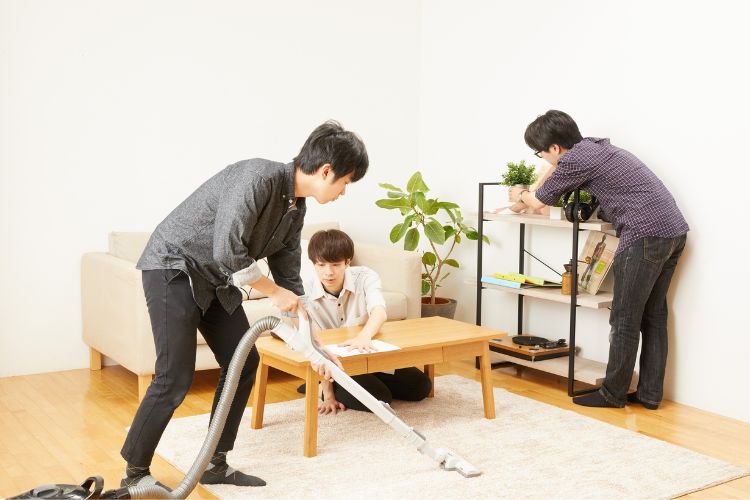
One of the main goals of life skills training is teaching youth to handle everyday tasks. This includes preparing meals, keeping a clean living space, organizing schedules, and using public transport safely. Learning to manage these routines builds confidence and reduces dependence on parents or caregivers.
Making Informed Decisions
Life skills programs teach youth how to think through choices and consider possible outcomes. They learn how to plan, weigh options, and solve problems step by step. This skill is helpful for school, work, and personal life, helping young people handle challenges independently.
Building Confidence in Social Settings
Social participation is another essential part of life skills training. Youth practice communicating, working in groups, and resolving conflicts. These experiences improve relationships with peers, family, and the wider community, helping them feel included and self-assured.
Practical Applications in Everyday Life
Life skills are not just lessons; they are applied in real situations. Youth learn how to manage money, plan their week, cook meals, and travel independently. NDIS-supported programs in Australia tailor these lessons to each young person’s needs, ensuring the training is practical and achievable.
Overall, life skills training gives young people control over their daily lives. It helps them gain confidence, independence, and the ability to participate fully in their community while preparing for a prosperous future.
Role of NDIS and Community Programs in Australia
In Australia, many youth gain support through NDIS life skills programs and local community initiatives. These programs help young people develop independence, confidence, and practical skills in real-life settings. They are designed to meet individual needs and focus on personal growth.
NDIS Life Skills Support
The NDIS provides funding for programs that teach daily living skills, social participation, and independence. Young people work with trained support workers who guide them in areas such as budgeting, cooking, personal care, and managing schedules. These programs are flexible, allowing youth to learn at their own pace while achieving their individual goals.
Community-Based Programs
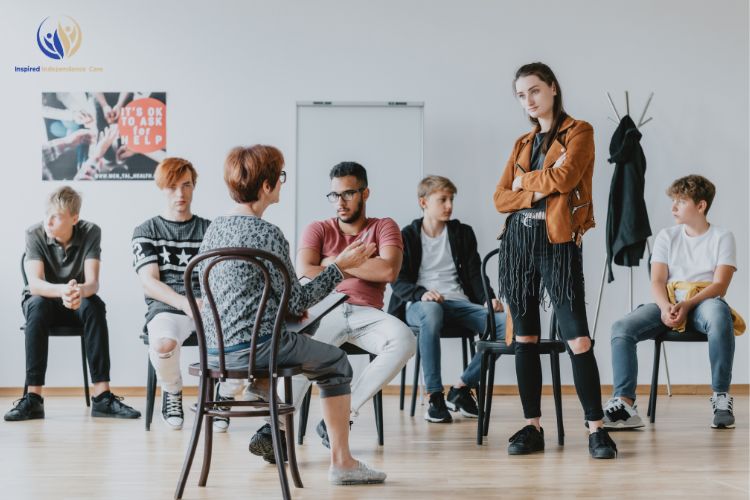
Community centers and local organizations also offer life skills programs. These programs provide group activities, social events, and workshops that encourage teamwork, communication, and problem-solving. Youth can practice real-life skills in safe and supportive environments, which strengthen confidence and social connections.
Tailored Support for Every Young Person
Both NDIS and community programs focus on personalized learning. They assess each young person’s abilities, needs, and goals before creating a program tailored to them. This approach ensures that every participant gains meaningful, practical skills for their everyday lives.
Through these programs, young Australians can build independence, self-confidence, and social skills as they prepare for adulthood. The combination of NDIS support and community programs creates opportunities for youth to grow, participate in their community, and achieve personal milestones in a structured and supportive way.
How Inspired iCare Helps Young Australians Build Life Skills
Inspired iCare provides life skills programs designed to help young people gain independence, confidence, and practical abilities for daily life. Their approach focuses on personalized support, making sure each young person learns in ways that suit them best.
Personalized Life Skills Training
At Inspired iCare, every youth receives a plan tailored to their goals and abilities. Programs cover essential areas such as daily living skills, communication, social participation, and emotional regulation. This ensures that each participant gains the skills that matter most for their personal development and independence.
Hands-On Learning and Real-Life Practice
Inspired iCare emphasizes learning through experience. Youth practice cooking, managing money, planning routines, and interacting in social settings. These practical lessons help them gain confidence and prepare for real-life challenges. The focus is on building skills that are directly useful in everyday situations.
Supportive and Encouraging Environment
Programs are delivered in a safe and supportive environment. Trained staff guide young people step by step, offering encouragement and advice as needed. Group activities also allow participants to practice teamwork, communication, and problem-solving while building friendships and social connections.
Empowering Youth for the Future
The goal at Inspired iCare is to help young Australians grow into confident, independent, and capable adults. Life skills training is not just about completing tasks; it’s about giving youth the tools to participate fully in their community, make wise decisions, and achieve their personal goals.
How to Choose the Right Life Skills Program
Choosing the right life skills program is essential for helping youth gain independence, confidence, and practical skills. The right program ensures the young person learns in a safe, supportive, and effective way.
Look for Personalized Support
Every youth is different. The best programs tailor lessons to individual needs, abilities, and goals. Personalized support helps young people learn at their own pace. Programs should focus on daily living skills, communication, budgeting, and emotional regulation, tailored to each participant.
Check for Qualified and Experienced Staff
Trained staff make a big difference. Support workers should have experience working with young people and know how to teach life skills effectively. Staff guidance ensures youth feel supported while learning practical skills in real-life situations.
Focus on Practical, Real-Life Learning
A strong program provides hands-on practice. Youth should have opportunities to practice cooking, managing money, using public transport, and participating in group activities. Programs that include both individual and group learning help young people build independence, social skills, and confidence.
When selecting a program, it’s also worth checking if it is NDIS-approved or supported by community initiatives in Australia. Tailored programs with practical exercises and experienced staff give young people the best chance to succeed.
Choosing the right life skills program can help youth grow into independent, confident adults. It ensures they gain skills that are meaningful, usable in daily life, and beneficial for their future in school, work, and the community.
How to Get Started with Inspired iCare
Starting a life skills program can feel exciting and straightforward. Inspired iCare provides clear steps to help youth begin their journey toward independence and confidence.
Step 1: Initial Contact and Consultation
The first step is to reach out to Inspired iCare. You can call or use the website to schedule a consultation. During this session, staff discuss the young person’s abilities, goals, and areas requiring support. This helps design a plan tailored specifically to their needs.
Step 2: Personalized Life Skills Plan
After consultation, Inspired iCare creates a personalized life skills plan. This plan focuses on daily living skills, communication, budgeting, emotional regulation, and social participation. Each program is flexible, allowing youth to learn at a comfortable pace. The plan ensures every participant works on skills that matter most to them.
Step 3: Practical Learning and Support
Once the plan is ready, the youth begin practical lessons. They may practice cooking, managing money, organizing routines, or participating in group activities. Trained staff provide guidance and encouragement throughout the process. Programs often include both individual and group sessions to strengthen independence, confidence, and social skills.
Getting started with Inspired iCare is simple. Youth receive structured, hands-on support that builds real-life skills. The focus is on independence, confidence, and preparing for a prosperous future.
By following these steps, young people can gain the tools and experience needed to live independently, participate fully in their community, and achieve personal goals with confidence.
Take the first step toward a brighter, more independent future today. Contact Inspired iCare to book a consultation and start your personalized life skills journey.
Frequently Asked Questions (FAQs)
What Age Group Is Suitable for Life Skills Training?
Life skills programs are usually designed for teenagers and young adults. In Australia, programs often start around age 12 and continue through young adulthood. The focus is on helping youth gain independence and practical skills for daily life.
Can NDIS Funds Cover Life Skills Programs?
Yes. Many NDIS-supported programs provide funding for life skills training. This includes support for daily living, communication, social participation, and independent living skills. NDIS funding helps make programs accessible and tailored to each young person’s needs.
How Long Does It Take to See Progress?
Progress depends on the individual and the skills being learned. Some youth notice improvements in confidence and daily routines within a few weeks. Others may take months to master new skills. Consistency and regular practice are key to achieving lasting results.
Do Programs Include Group Activities?
Yes. Most life skills programs offer both individual and group sessions. Group activities help youth practice communication, teamwork, and social skills. They also provide opportunities to make friends and feel included in the community.
Are Programs Personalized?
Absolutely. The best programs, including Inspired iCare, create plans tailored to each young person’s abilities, goals, and learning pace. Personalized support ensures that youth gain meaningful skills that make a real difference in their daily lives.
Final Thoughts
A Life Skills Training Program for Youth is more than just learning tasks. It gives young people the tools to live independently, make decisions, and feel confident in daily life. By focusing on communication, problem-solving, budgeting, self-care, and social participation, youth build a foundation that lasts a lifetime.
Programs like those offered by Inspired iCare provide personalized support and practical lessons. Youth learn at their own pace, practice real-life skills, and gain confidence in both individual and group settings. This kind of training helps them handle everyday challenges, form stronger relationships, and prepare for future opportunities in school, work, and the community.
Whether through NDIS-supported programs or local community initiatives, life skills training empowers young Australians to take control of their daily routines. It boosts independence, strengthens social abilities, and builds emotional resilience.
If you are looking to help a young person grow confident and capable, starting a life skills program with Inspired iCare is a significant step. With tailored support, practical learning, and experienced guidance, youth can achieve personal goals and enjoy a more independent and fulfilling life.
Get in touch with Inspired iCare today to find out how your young person can start building essential life skills for a brighter future.