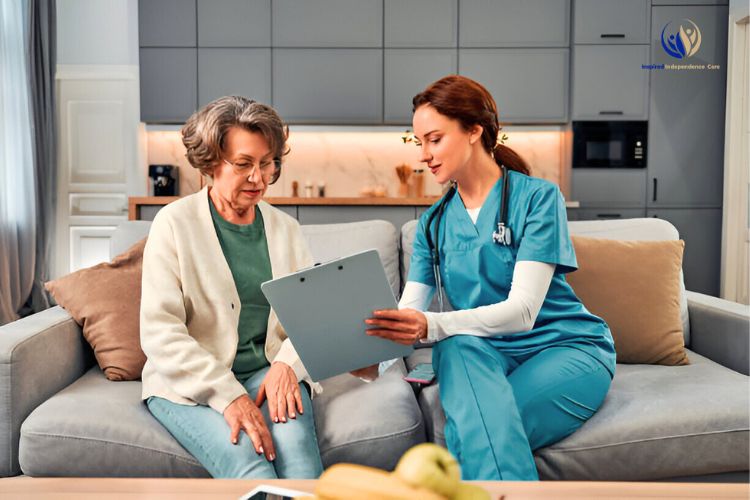

Why choose professional home Care services? They can improve life for older adults and people who need support at home. Professional caregivers follow care plans made for each person. They help with daily tasks, take care of medication, provide mobility support, and offer companionship. Staying at home with skilled care keeps people independent and safe.
Families feel less stressed knowing their loved ones are well cared for. From disability support to recovery after hospital visits, home care services give the right help for different needs. Choosing the right provider makes life easier, safer, and more comfortable for both clients and their families.
Understanding Professional Home Care Services
Professional home care services provide support to people who need help with daily household tasks. These services are for older adults, people recovering from illness, or those with disabilities. The primary goal is to make life easier, safer, and more comfortable, while helping clients maintain their independence in their own homes.
Personal Care and Daily Tasks
Caregivers assist with personal tasks such as bathing, dressing, grooming, and eating. They also help with household chores or meal preparation if needed. This support keeps clients safe and comfortable while reducing the risk of accidents at home.
Health and Medication Support
Professional carers help clients take medications on time and follow health routines. They can monitor conditions, check vital signs, and report any changes to family members or doctors. This ensures clients remain healthy and prevents complications.
Companionship and Specialized Assistance
Home care includes spending time with clients, engaging in conversation, and joining activities that improve mood and mental well-being. Specialized support covers disability care, post-hospital recovery, and help for chronic conditions like dementia. Care plans are tailored to meet each person’s unique needs.
Key Benefits of Professional Home Care Services
Professional home care services offer more than help with daily tasks. They improve safety, health, and emotional well-being for clients. They also give families peace of mind. Unlike informal care from family or friends, professional home care is delivered by trained caregivers.
These caregivers follow structured care plans while adapting to the unique needs of each individual. Services often include personal care, meal preparation, companionship, nursing support, and assistance with disabilities. Choosing professional home care can make life easier, safer, and more fulfilling for both clients and their families.

Personalised Support for Each Individual
One of the most significant benefits of professional home care is the personalised support each client receives. Care plans are made for the specific needs of each person. This could include help with bathing, dressing, taking medications, or mobility support.
Caregivers adjust their approach as needs change over time. Personalised care ensures clients maintain independence while receiving the help they need. It also allows for activities that keep them engaged and happy, improving both physical and mental well-being.
Safety and Peace of Mind
Professional home care gives clients a safe environment. Trained carers know how to prevent falls and manage emergencies. They closely monitor medication schedules and health conditions.
This reduces the risk of accidents or missed treatments. Families also gain peace of mind, knowing their loved ones are in capable hands. Clients can move around their home safely, and family members can focus on their own responsibilities without worry.
Comfort of Staying at Home
Being in a familiar environment provides substantial emotional benefits. Home care allows clients to stay in their own homes, surrounded by memories and comfort. This can reduce stress and anxiety, often caused by moving to a care facility.
Companionship from professional caregivers helps clients feel valued and supported. Daily routines continue, and clients maintain a sense of everyday life, which can boost mood and overall well-being.
Professional Skills and Experience
Professional caregivers bring skills and experience that family members may not have. They can handle chronic conditions, dementia care, and post-hospital recovery. Their knowledge ensures clients receive proper care and attention.
Qualified carers also notice small changes in health, which can prevent complications. This professional support guarantees that clients receive the right help when they need it most.
Family Relief and Reduced Stress
Professional home care provides families with much-needed relief. Caring for a loved one can be demanding and stressful. With trained caregivers handling daily tasks and health needs, families can rest, work, or focus on their own lives.
They can be confident that their loved ones are safe, supported, and well cared for. This balance improves the well-being of both clients and their families.
Professional home care services combine personalised support, safety, comfort, and expertise. They make life at home easier, safer, and more enjoyable. Families gain confidence, and clients get the help they need to live independently and happily. Choosing the right home care provider ensures quality care and peace of mind for everyone involved.
Professional home care services provide the proper support while keeping clients independent. Families gain peace of mind knowing their loved ones are in trained hands. Choosing the right provider ensures comfort, safety, and quality of life at home.
Signs It’s Time to Consider Home Care
Deciding when to start home care can be challenging. Some people manage daily tasks on their own, while others may need extra support. Recognizing the signs early can help clients stay safe and maintain independence.
Professional home care services provide help with personal care, companionship, mobility, and health monitoring. They are ideal for people who need extra support at home, whether recovering from illness, managing a chronic condition, or living with a disability.
Difficulty with Daily Tasks
If a person struggles with everyday activities like bathing, dressing, cooking, or cleaning, it may be time for home care. Professional caregivers assist with these tasks. They ensure safety while helping clients stay independent. This support prevents accidents and keeps daily routines manageable.
Safety Concerns or Frequent Falls
Falling or accidents at home are significant warning signs. Home care providers can create a safer environment. They help with mobility, arrange furniture for safety, and provide supervision when needed. This reduces the risk of injuries and offers reassurance to both clients and families.
Memory or Cognitive Issues
People showing signs of memory loss, confusion, or difficulty managing medications may benefit from professional home care. Caregivers can monitor routines, provide reminders, and support mental well-being. Specialized support, such as dementia care, ensures that clients stay safe while maintaining a quality of life at home.
Family Caregiver Feeling Overwhelmed
When family members struggle to provide daily care, it’s a clear sign to consider professional help. Trained caregivers reduce stress and offer consistent support. Families can rest, focus on work, or spend quality time with their loved ones without worry.
Recognizing these signs early allows for a smooth transition to home care. Professional caregivers provide personalized support, companionship, and safety. They help clients live independently while giving families peace of mind and relief from caregiving responsibilities.
How to Choose the Right Home Care Provider
Choosing a home care provider is an important decision. The right provider ensures safety, comfort, and personalized support for your loved ones. Professional home care services include personal care, companionship, medication support, and assistance with disabilities. Knowing what to look for can help families find skilled caregivers who meet their needs. This section explains how to make the best choice.
Check Qualifications and Accreditation
Begin by seeking out trained and certified caregivers. Accredited providers follow safety and quality standards. Skilled carers have experience with chronic conditions, dementia care, and post-hospital recovery. Accreditation ensures that your loved one receives reliable, professional support.
Read Reviews and Testimonials
Feedback from other families can give insight into the quality of care. Look for reviews about caregiver reliability, professionalism, and friendliness. Testimonials help you understand how well a provider meets individual needs. Positive experiences indicate trustworthy services.
Ask About Personalized Care Plans
A good home care provider tailors care plans for each client. They assess needs, preferences, and daily routines. Care plans may include personal care, meal preparation, mobility support, and companionship. Customizing care ensures that clients receive the right help while maintaining independence.
Verify Communication and Support
Clear communication with caregivers is essential. Ask about how providers share updates with families. Regular check-ins and progress reports give peace of mind. Knowing that support is available when needed helps families feel confident and reassured.
Consider Flexibility and Services Offered
Check what services are available and whether schedules can be adapted. Short-term, long-term, or emergency support may be necessary. Flexibility ensures that care fits changing needs. Providers who offer a wide range of services, including disability support and post-hospital care, are often the best choice.
Selecting the right home care provider can make a significant difference in the quality of life. Skilled caregivers offer personal care, companionship, and health support while helping clients remain independent.
Families gain confidence, knowing their loved ones are safe, comfortable, and supported. Taking the time to research and ask questions ensures that home care meets both practical and emotional needs.
Home Care Compared to Residential Care
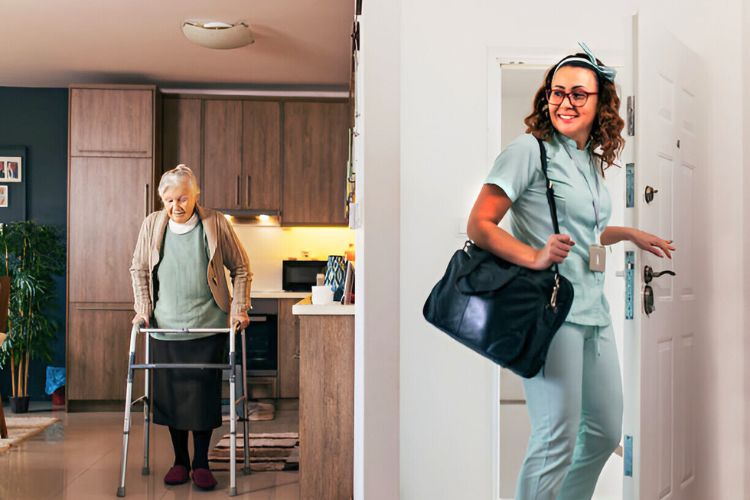
Choosing between home care and residential care is an important decision. Both provide support, but the experience is very different. Professional home care allows clients to stay in their own homes with personalized assistance.
Residential care offers 24-hour supervision in a facility. Understanding the differences helps families pick the right option for their loved ones.
Independence at Home vs. Facility Care
- Home care lets clients maintain independence.
- Clients follow their daily routines and stay in a familiar environment.
- Caregivers assist with personal care, meal preparation, mobility, and companionship.
- Residential care provides structured routines but may limit freedom.
- Clients in facilities may feel less in control of daily life.
Personal Attention and Tailored Support
- Home care focuses on individual clients.
- Care plans are customized for specific needs, including disability support or post-hospital recovery.
- Residential care has more residents per caregiver, which can reduce one-on-one attention.
- Home care ensures support matches each client’s preferences and health requirements.
Emotional Comfort and Family Involvement
- Home care provides comfort in a familiar environment.
- Families can visit anytime and stay actively involved.
- Residential care often has set visiting hours.
- Clients in facilities may need to adjust to a new environment.
- Home care fosters emotional well-being while keeping families connected and reassured.
Both home care and residential care offer valuable support. However, home care is ideal for clients who want:
- Personal care and companionship
- Health and medication assistance
- Tailored support in a familiar environment
- Active family involvement
Choosing the correct type of care ensures safety, comfort, and quality of life for clients while giving families peace of mind.
Why Choose Inspired iCare for Home Care Services
Choosing the right home care provider makes a big difference in daily life. Inspired Independence Care offers professional home care services that are reliable, flexible, and tailored to individual needs. Their trained caregivers help clients stay independent, safe, and comfortable at home. Families can feel confident knowing their loved ones are well cared for.
Skilled and Caring Staff
- All caregivers are trained and certified.
- Staff have experience with chronic conditions, dementia care, and post-hospital recovery.
- Caregivers provide both personal and health support, ensuring clients’ needs are fully met.
- Friendly and compassionate carers build trust and strong relationships with clients.
Personalized Care Plans
- Care plans are made for each client, considering daily routines, preferences, and health needs.
- Services include personal care, meal preparation, companionship, mobility assistance, and support for individuals with disabilities.
- Plans are flexible and adjusted as needs change, keeping care relevant and practical.
- Clients receive the right help while maintaining independence and quality of life.
Flexible and Reliable Services
- Inspired iCare offers short-term, long-term, and emergency support.
- Services are available at times that fit clients’ schedules.
- Families receive regular updates and clear communication from caregivers.
- Flexibility ensures that care continues seamlessly even as needs evolve.
Peace of Mind for Families
- Families can rest knowing loved ones are safe and supported.
- Caregivers reduce stress by managing daily tasks and monitoring health.
- Emotional support and companionship improve clients’ well-being.
- Families stay involved and connected, without feeling overwhelmed.
Commitment to Quality and Comfort
- Inspired iCare prioritizes comfort, safety, and emotional well-being.
- Services are designed to improve everyday life while keeping clients in their familiar environment.
- Professional care combined with a human touch ensures clients feel valued and supported every day.
Choosing Inspired Independence Care means clients get personalized support, safety, companionship, and professional care. Families gain confidence and peace of mind knowing their loved ones are in capable hands.
With flexible services, trained staff, and tailored care plans, Inspired Independence Care helps clients live comfortably, safely, and happily at home.
Final Thoughts
Professional home care services make life easier, safer, and more comfortable for people who need extra support at home. They provide personal care, companionship, health assistance, and disability support. Clients can stay independent in a familiar environment while receiving skilled help from trained caregivers.
Families also benefit. With professional carers, loved ones are safe, supported, and well looked after. This reduces stress and gives families peace of mind.
Inspired Independence Care offers tailored care plans, flexible services, and compassionate caregivers. From personal care and meal preparation to post-hospital recovery and dementia support, every service is designed to meet individual needs.
If you or a loved one needs professional home care, now is the right time to get support. Contact Inspired iCare today to discuss how their services can improve daily life, provide comfort, and ensure safety at home.
FAQs About Professional Home Care Services
What services do professional home caregivers provide?
Professional caregivers assist with personal care, meal preparation, mobility support, companionship, medication reminders, and disability-related support. They can also provide specialized help, such as post-hospital recovery or dementia care.
How does professional home care differ from care provided by family or friends?
Trained and certified caregivers deliver professional home care. Care is structured, safe, and personalized. Family members may provide support out of love, but professional carers offer expertise, consistency, and tailored care plans.
Can home care help someone recover after a hospital stay?
Yes. Home care is ideal for post-hospital recovery. Caregivers assist with medication administration, daily activities, mobility, and health monitoring. This ensures a smooth recovery while keeping clients safe and comfortable at home.
How does home care support independence?
Caregivers provide help where needed but encourage clients to stay active and maintain routines. Personalized care plans allow clients to do as much as they can on their own while receiving support for tasks that are difficult or unsafe.
How do families benefit from professional home care?
Families gain peace of mind, knowing loved ones are safe, supported, and cared for by trained professionals. They also have more free time and less stress, while remaining involved in daily life and decisions.